

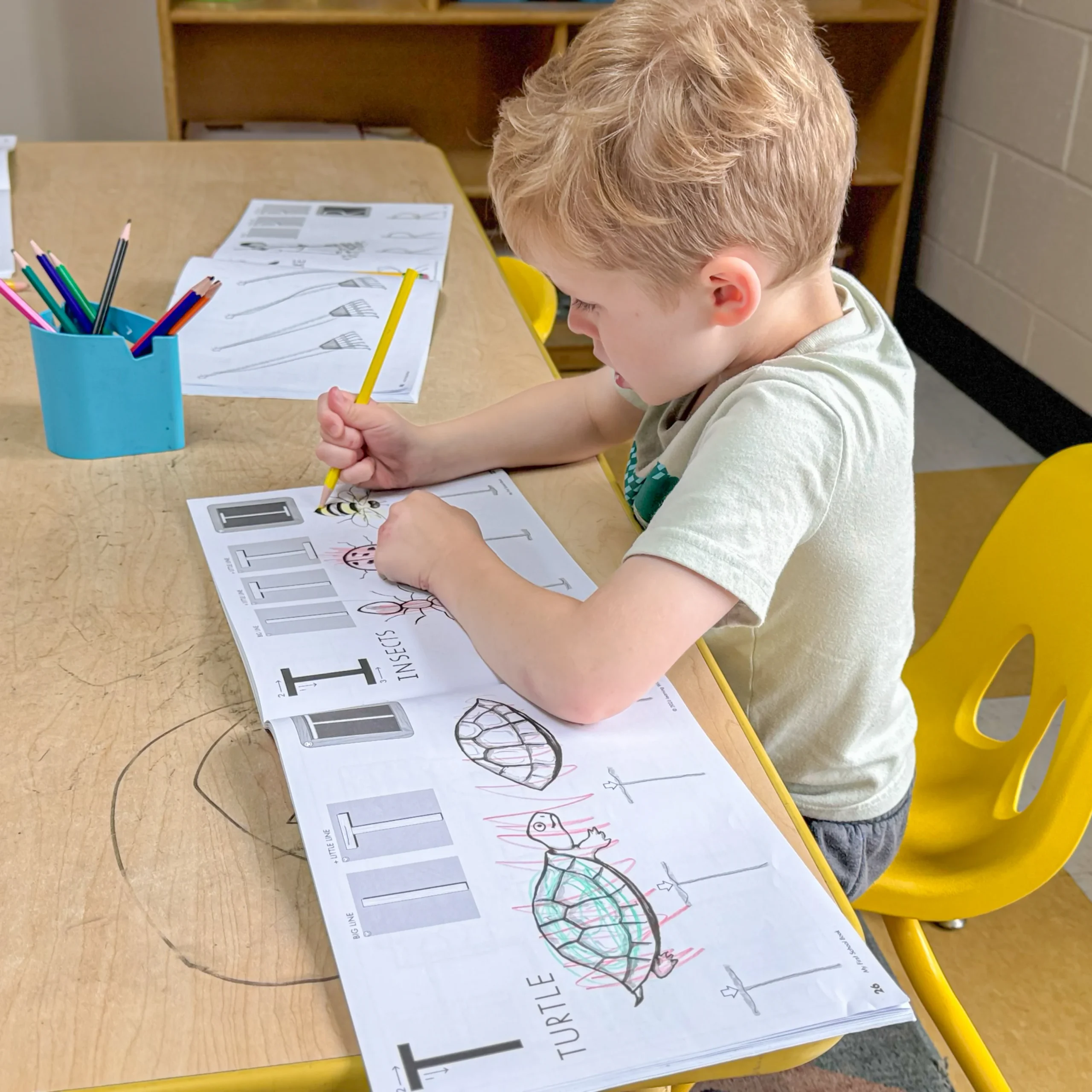
When your child starts preschool, consistency, calm goodbyes, and steady reassurance can make the change feel more manageable. Some children settle into a new classroom quickly, while others need more time to get used to unfamiliar people, routines, and expectations. Rather than looking for an instant adjustment, focus on helping your child become familiar with the experience one day at a time.
Starting preschool can bring several changes at once. Your child may be waking up at a different time, spending more time in a new environment, and learning how a new classroom works. Keeping things predictable at home can give them something familiar to rely on while the school day gradually becomes part of their routine.
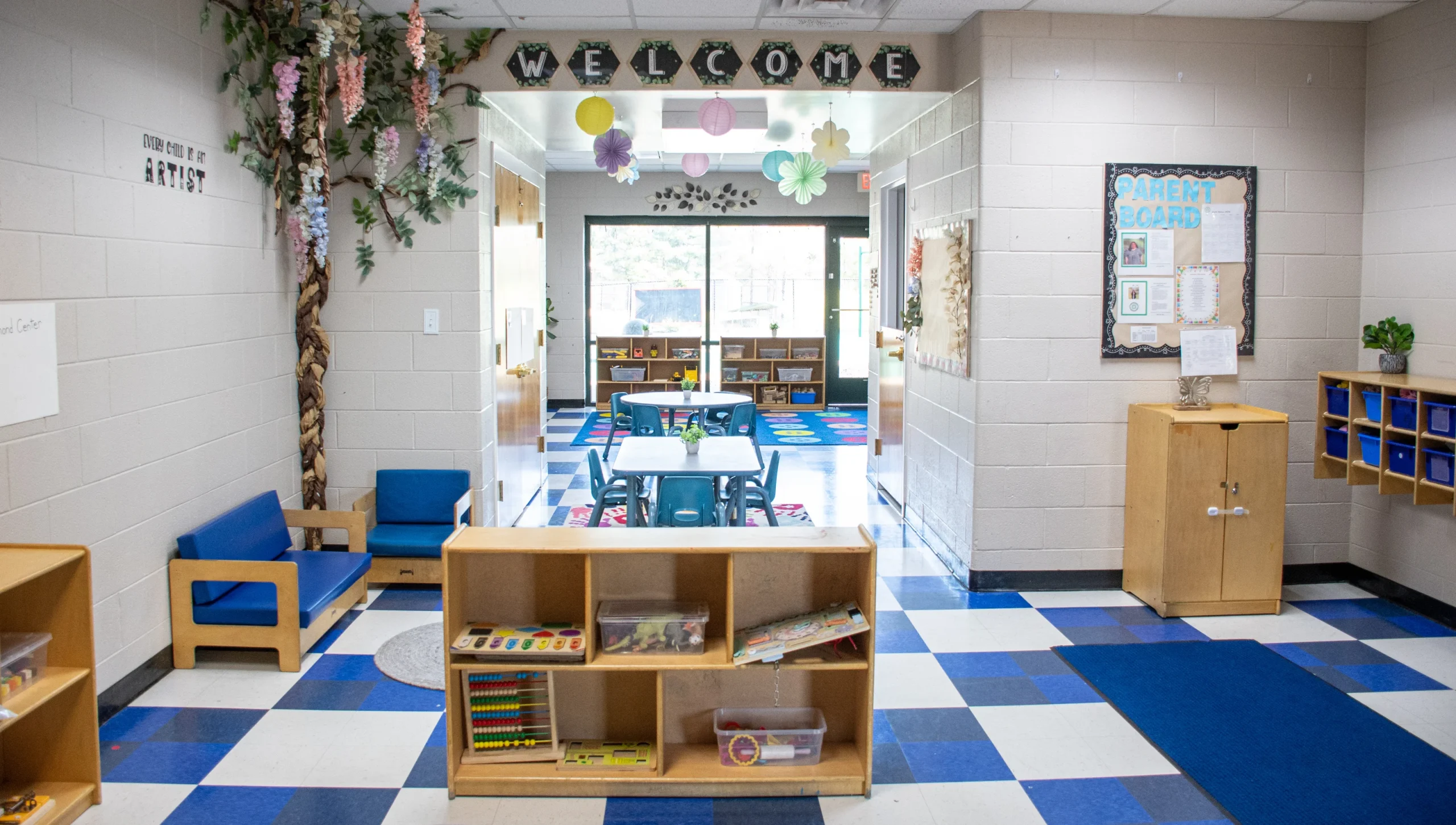
At Haymarket Children’s Academy, we understand that beginning preschool is a meaningful change for both children and their families. That is why we focus on creating a caring environment where children have time to become familiar with their teachers, classmates, and daily experiences while building confidence along the way.
If your child is getting ready to start preschool, our preschool program in Gainesville, VA can give you a closer look at the setting, daily experiences, and learning environment they will begin getting used to.
Start With a Predictable Morning Routine
A familiar morning can make the start of the day feel less uncertain while preschool is still new. Keep three parts as consistent as you can: wake-up time, the order of getting ready, and the way you leave for school.
Keeping daily child routines simple and predictable can help your child know what comes next before the school day begins. Familiar steps at home can make mornings easier to recognize even when the classroom still feels new. Try not to add too many new expectations at once, especially during the first few weeks.
Keep Goodbyes Short and Reassuring
A calm, consistent goodbye can help your child understand what to expect at drop-off. Tell them that you are leaving, offer reassurance, and explain when you will return in language they can understand.
Try to avoid stretching the goodbye out or returning several times after you have already left. That can make the separation feel less predictable. Your child may still cry or hesitate, and that does not mean the transition is going badly. The goal is to give them a goodbye they can begin to recognize and trust.
Give Your Child Room to Build Independence
Small responsibilities can help preschool feel more familiar because your child begins to recognize what they can do for themselves. Start with manageable tasks, such as carrying a small belonging, putting something in its usual place, or choosing between two simple options.
Simple responsibilities can encourage preschool independence while still giving your child the reassurance and guidance they need. If they struggle with a task, offer help without turning it into something they have to complete alone. Independence grows gradually, especially in a new environment.
Talk About Preschool Without Adding Pressure
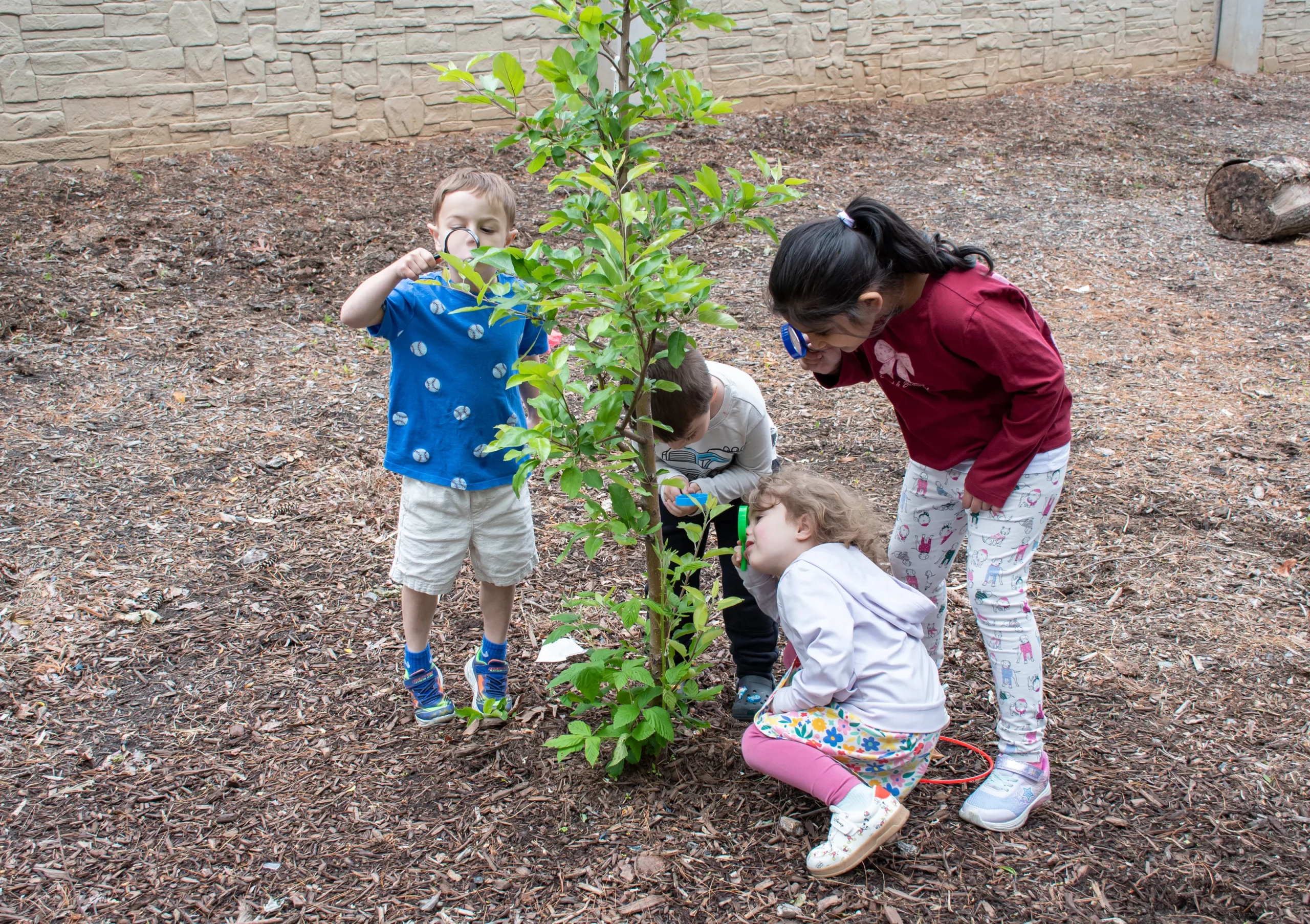
Conversations about preschool can help your child process the day, but they do not need to feel like an interview. Instead of repeatedly asking whether they had a good day, try asking what they played with, who they spent time with, or what made them curious.
Some children will have plenty to say right away. Others may need time before they begin sharing details.
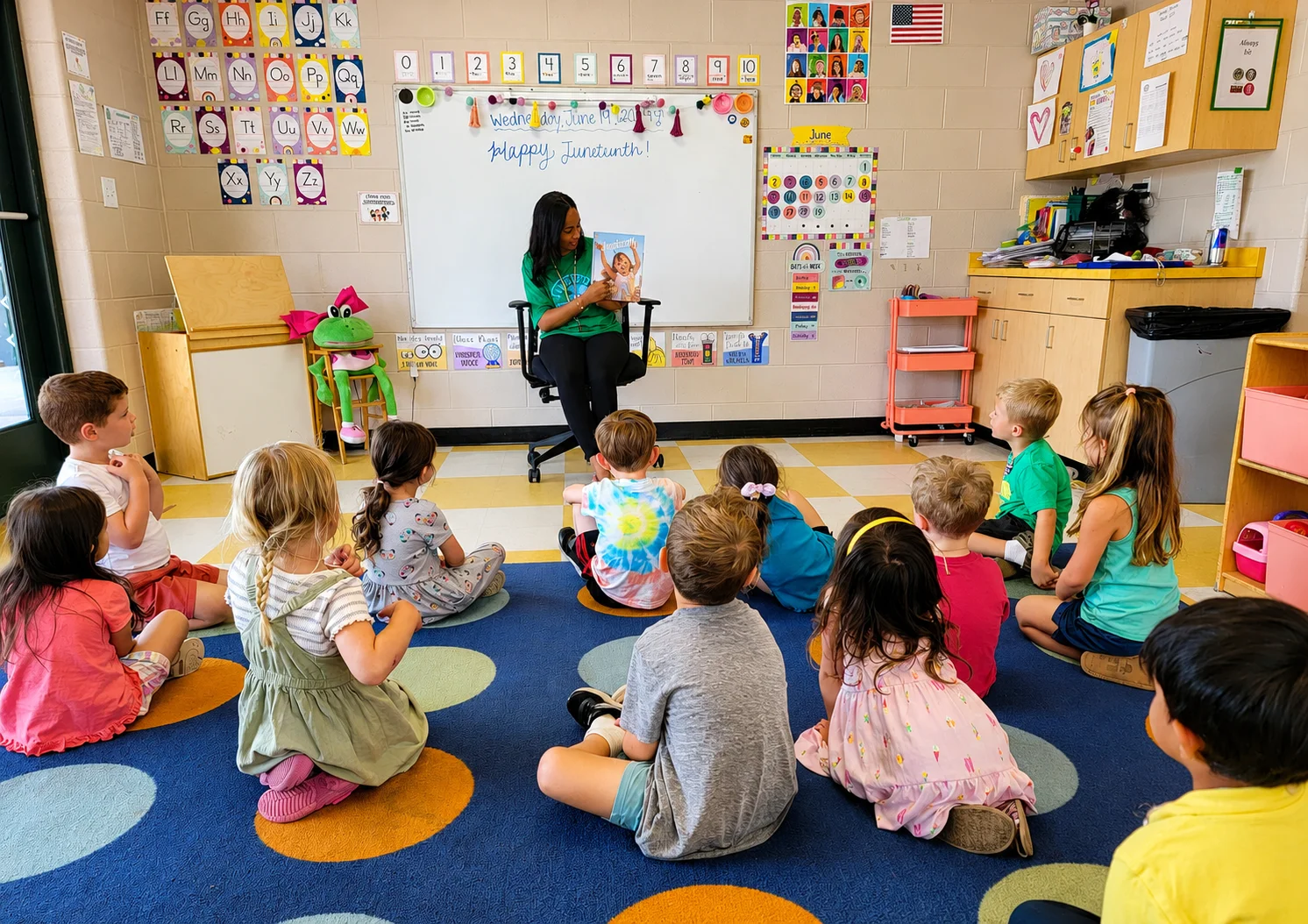
New classmates and group activities also give your child opportunities to practice preschool social skills as they become more comfortable communicating and participating with others. You do not need to expect close friendships immediately. Greeting a teacher, joining an activity, or sitting comfortably near classmates can all be meaningful early steps.
Stay Connected With Your Child’s Teachers
Teachers can give you a different view of how your child is adjusting once you have left for the day. A difficult drop-off does not always mean the rest of the morning stays difficult, so classroom observations can help you understand the bigger picture.
At Haymarket Children’s Academy, we support social and emotional development through everyday preschool activities and interactions. Sharing useful information with your child’s teachers can help everyone stay aware of changes in separation, participation, and daily routines.
You can also let teachers know about changes at home that may affect your child’s mood or energy. Clear communication makes it easier to understand patterns without assuming that one difficult day represents the whole transition.
Notice the Small Signs of Progress
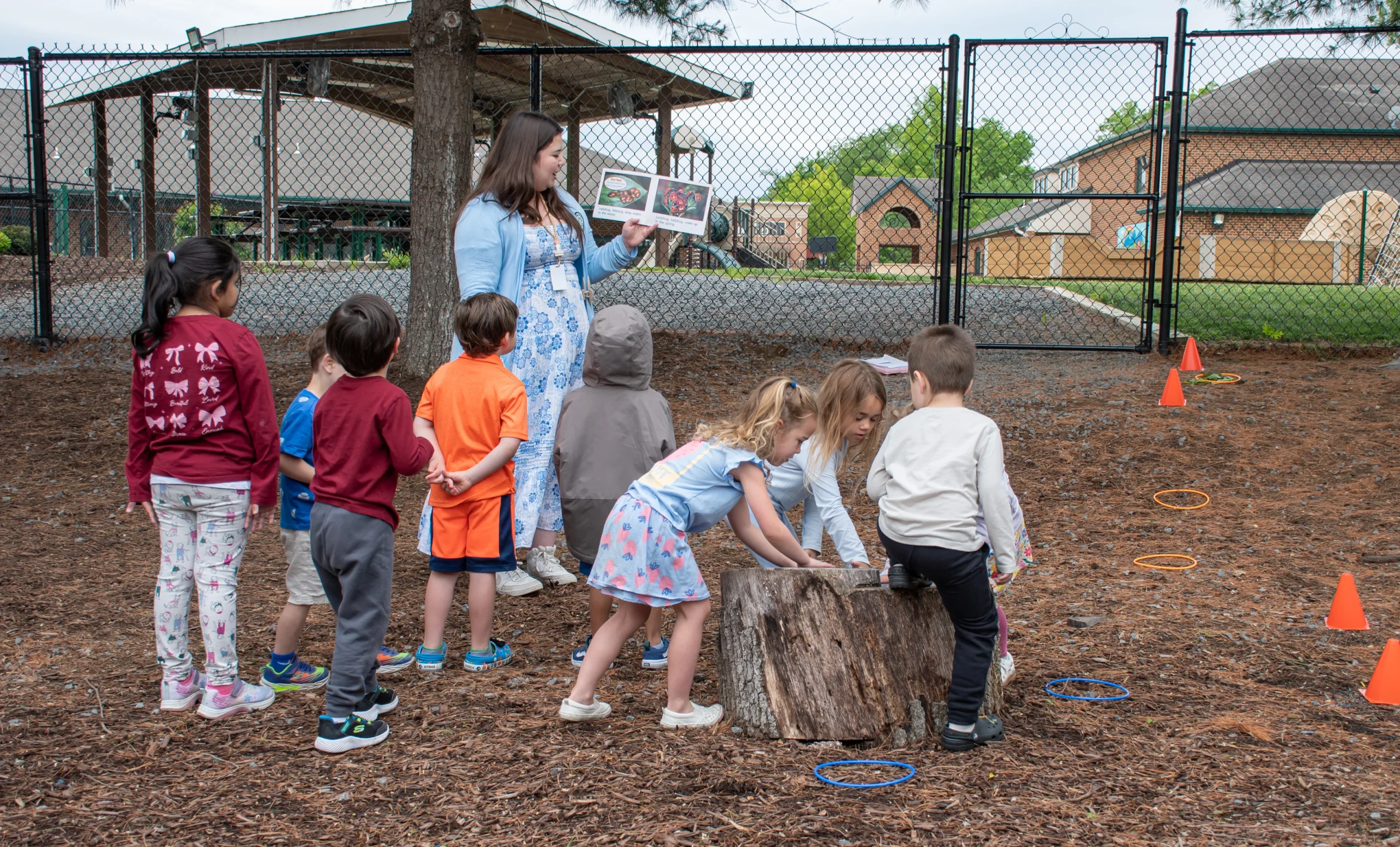
Adjustment does not always happen through one obvious breakthrough. You may notice that your child walks into the classroom more easily, talks about an activity at home, or begins mentioning a teacher or classmate by name.
Other signs may be quieter. Your child might start following classroom routines with less help or show more interest in what will happen the next day. Try to notice those gradual changes rather than comparing your child’s progress with someone else’s.
Every child adjusts differently, so there is no single timeline that fits everyone.
Give the Transition Time
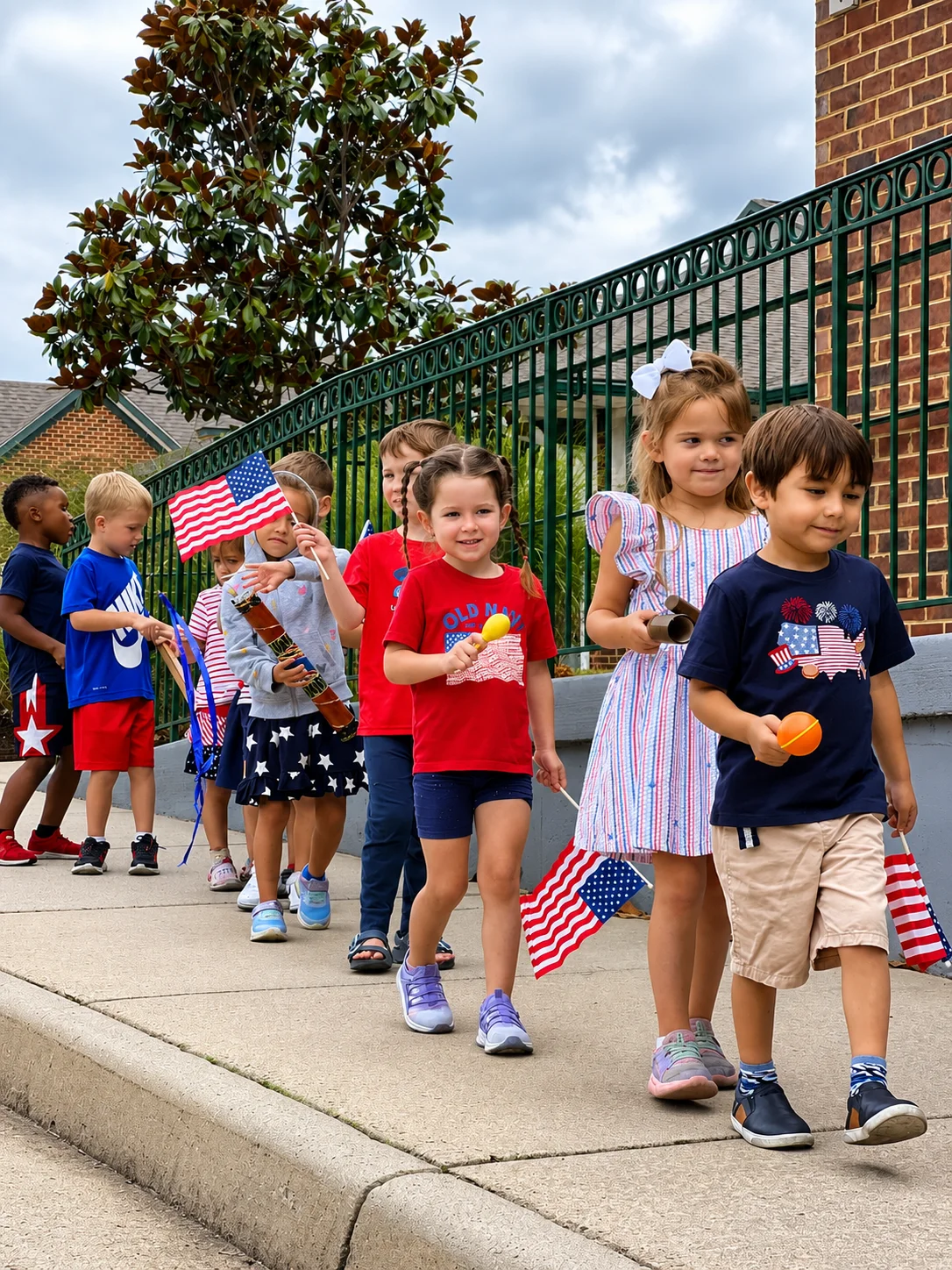
The first weeks of preschool are about building familiarity, trust, and confidence. Predictable routines, calm reassurance, and communication with teachers can give your child steady support while the new environment becomes more familiar.
Haymarket Children’s Academy recognizes that adjustment can look different for every child. Giving your child time to settle in while staying attentive to small signs of progress can help the preschool routine begin to feel more natural for your family.
If you have questions about preparing your child for preschool or want to better understand what their day could look like, you can get in touch with us to talk about the preschool experience and your child’s upcoming transition.


Leave a Reply