

When you’re comparing preschools, start with three things: whether the environment feels safe, how teachers interact with children, and whether the learning experiences fit your child’s developmental stage. Those observations can help you understand how the program works in practice. You should also notice the daily rhythm, opportunities for play, and how comfortable you feel with the school’s approach.
Choosing a preschool is personal because every child responds differently to new people, routines, and expectations. Instead of looking for one feature that makes the decision for you, pay attention to how the pieces work together. The classroom, teaching style, and daily interactions should give you a clear picture of what your child’s experience may be like.
At Haymarket Children’s Academy, we create preschool experiences that support social, emotional, and cognitive growth through age-appropriate learning. Our activities also give children opportunities to build physical and language skills while exploring new ideas in a caring environment.
If you want to see how these ideas come together during the day, you can explore our preschool program in Gainesville, VA to learn how play, age-appropriate activities, and developmental support are part of the preschool experience.
A Safe and Welcoming Environment
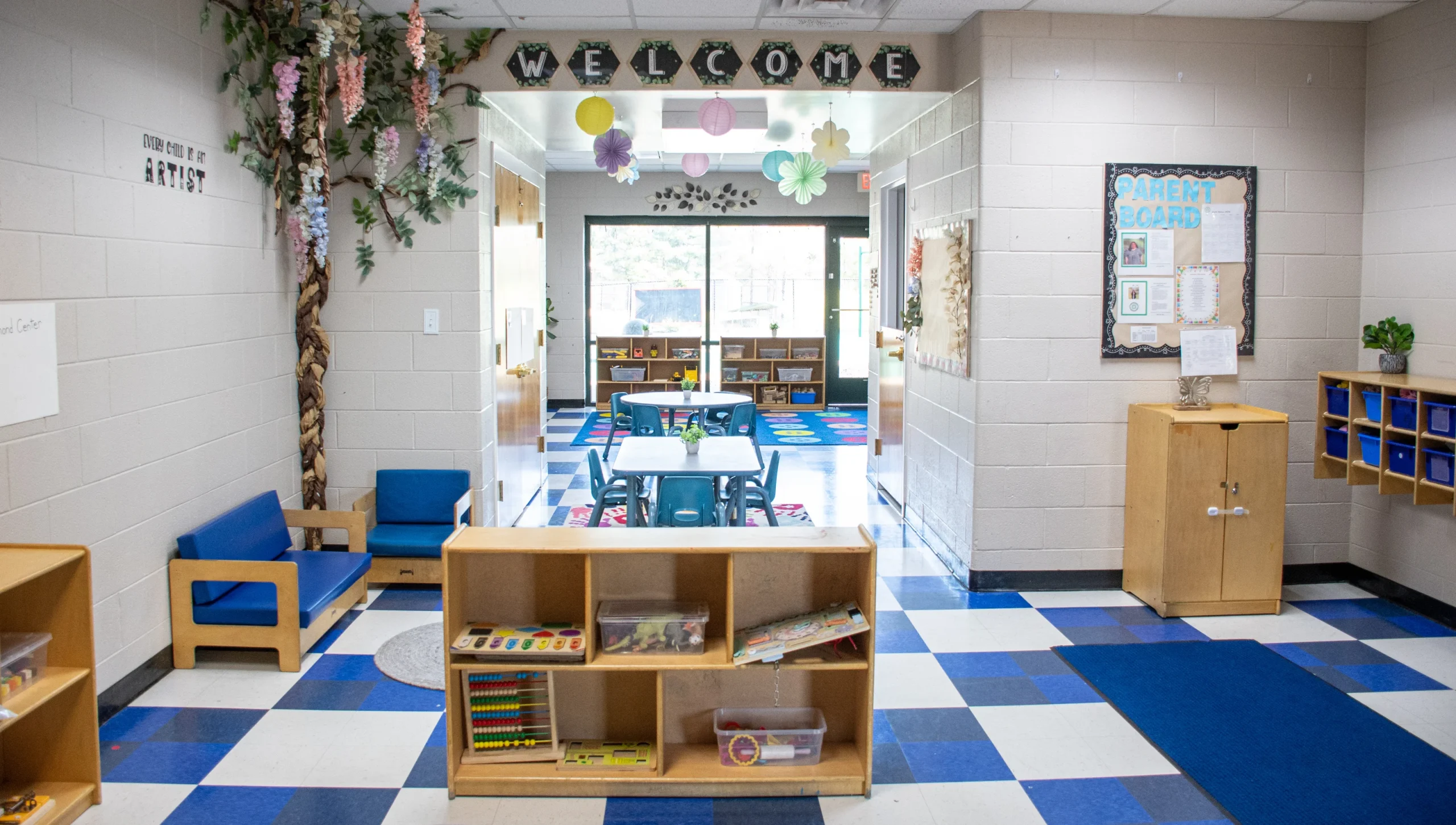
Safety is one of the first things to notice because your child needs an environment where they can move, learn, and interact comfortably. Look at three areas first: classroom organization, active supervision, and secure spaces. Then pay attention to how children respond to the adults around them.
A welcoming environment is also about emotional comfort. Children should be able to approach a teacher when they need help, reassurance, or guidance. As you compare programs, consider how the school creates a safe childcare setting for your child, including how teachers supervise classrooms, transitions, and play areas.
Notice the overall atmosphere as well. A preschool does not need to be quiet all day, but the environment should feel organized enough for children to participate without becoming overwhelmed.
How Teachers Interact With Children
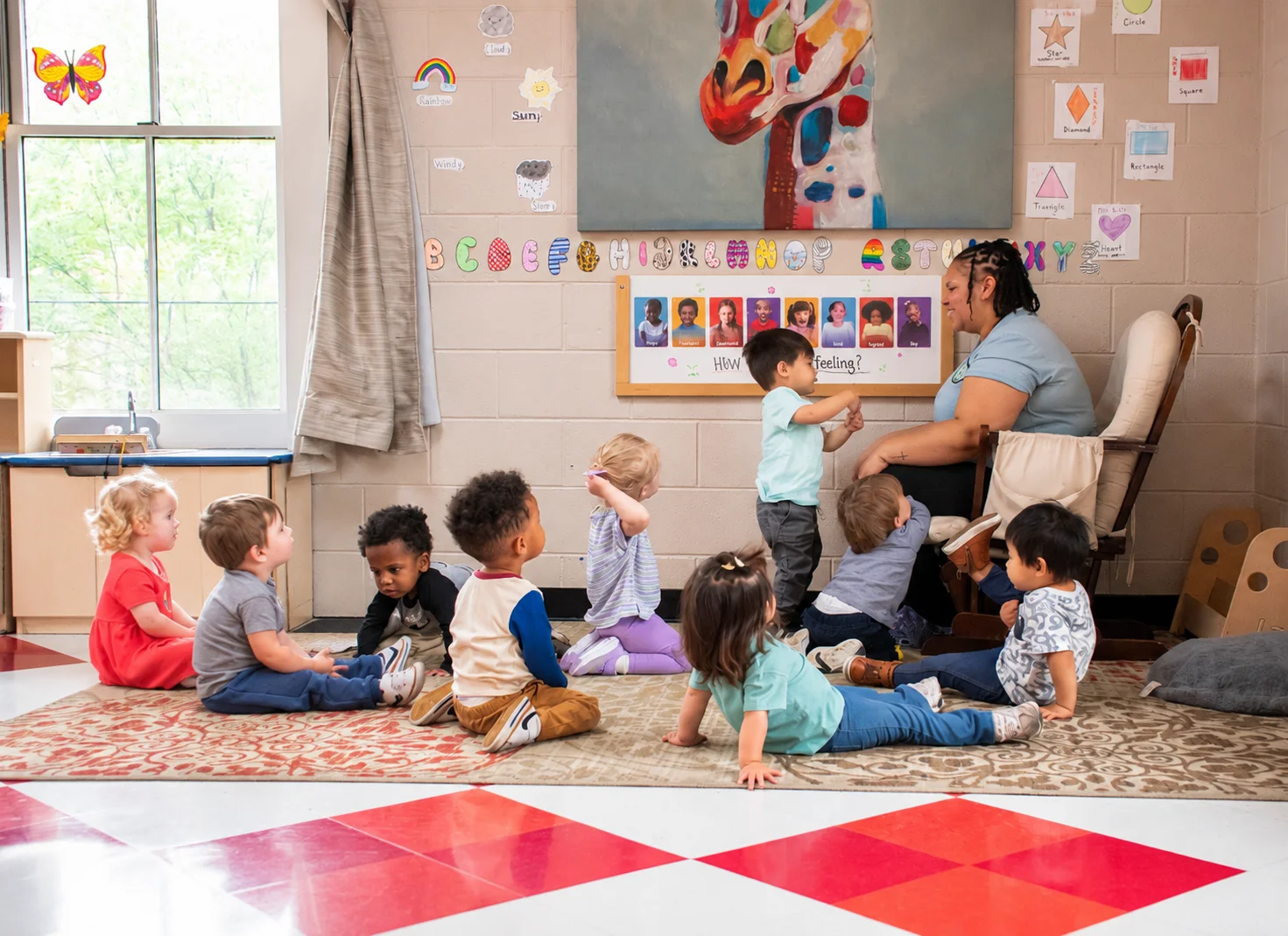
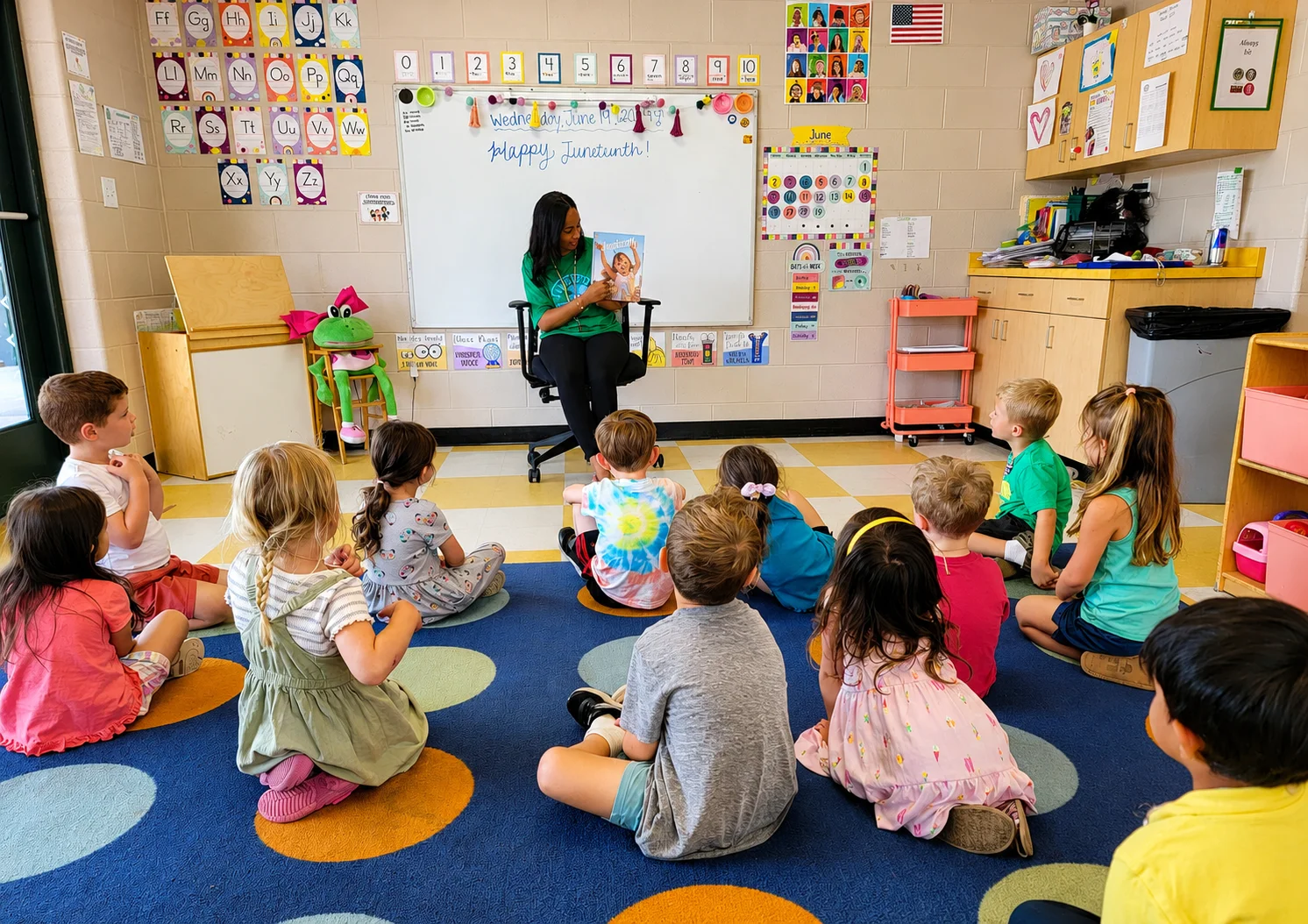
Teacher interaction can tell you a lot about how supported your child may feel during the day. Notice whether teachers listen, respond calmly, and stay involved with what children are doing. Small everyday moments can give you a useful sense of how adults guide and encourage children.
Pay attention to whether teachers get down to a child’s level, offer guidance without taking over, and encourage children to express themselves. Staff-to-child ratios also matter because they can affect how much individual attention teachers are able to give during activities, routines, and transitions.
You may also notice how teachers respond when children disagree, need extra help, or lose interest in an activity. Those situations can show you how patiently and consistently the classroom is managed.
Learning That Fits Your Child’s Development
Preschool learning should encourage growth without expecting every child to develop in exactly the same way or at the same pace. Look first at communication, problem-solving, and social development. Physical and emotional growth should also be supported as part of the day.
Look for age-appropriate learning that challenges your child while still matching their abilities, interests, and developmental stage. A thoughtful program should help children practice new skills in ways that feel manageable rather than rushed.
At Haymarket Children’s Academy, we support five key areas of development: social, emotional, cognitive, physical, and language. Our preschool program encourages children to build these skills throughout the day, helping them grow beyond early academics while developing the foundation they need for continued learning.
Room for Purposeful Play and Exploration
Play is not separate from learning in preschool. It can give children a natural way to explore ideas, make choices, and practice new skills. Creative activities, hands-on exploration, and cooperative play can all help children stay engaged while learning from the people and materials around them.
A program that uses play-based learning can also support language, movement, and problem-solving without making the day feel overly academic.
As you observe a classroom, notice whether children have opportunities to participate actively rather than simply follow directions for long stretches of time. Materials and activities should invite children to try things, communicate with others, and become involved in what they are doing.
A Daily Rhythm That Feels Manageable
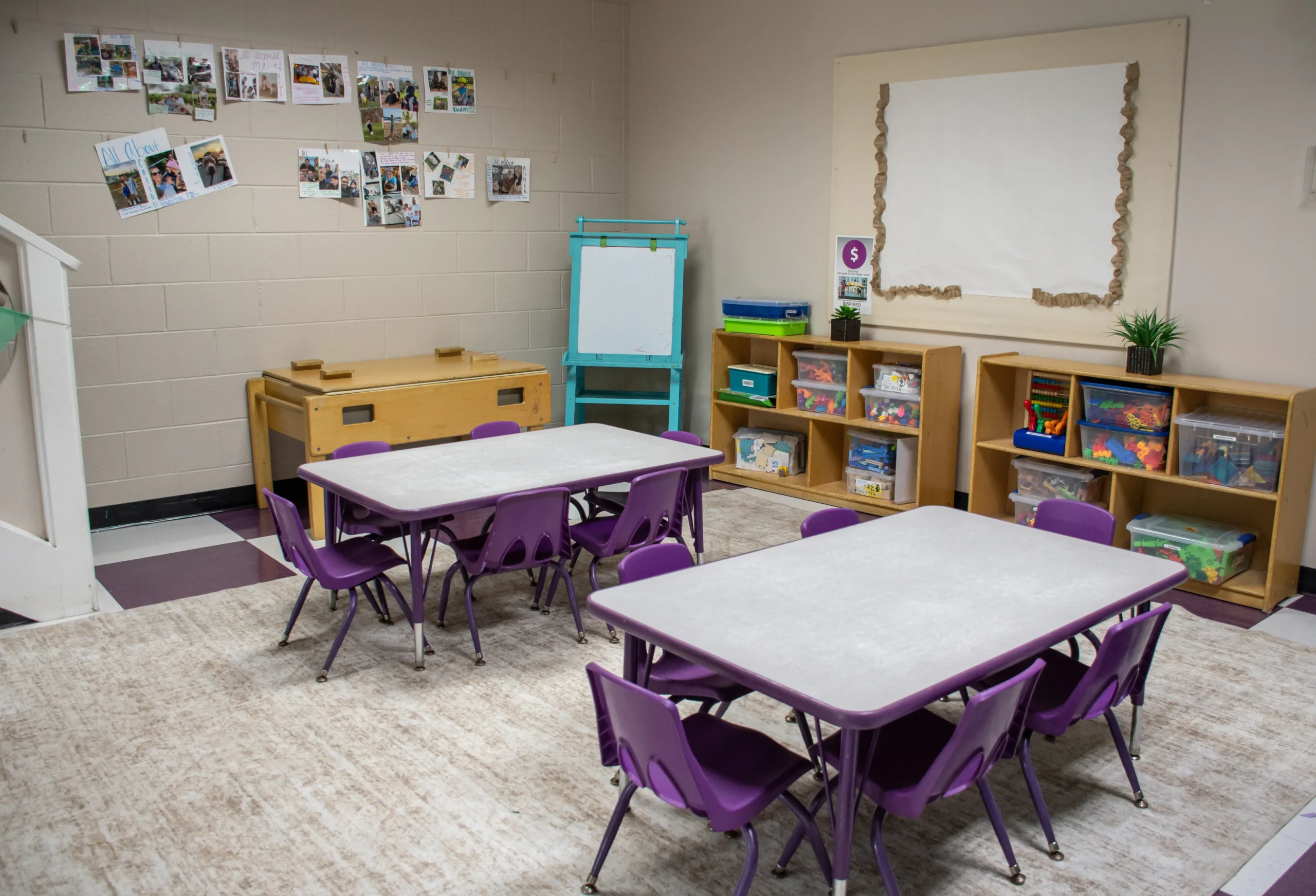
A preschool day should have enough structure to help children know what comes next while still leaving room for flexibility. Look at how the schedule balances learning time, active play, and rest. Meals, transitions, and creative activities should fit into that rhythm without making the day feel rushed.
You may also want to notice how teachers handle changes. Young children do not always move from one activity to another on cue, so a thoughtful routine should allow teachers to guide transitions without expecting every child to respond in exactly the same way.
Consider whether the pace seems realistic for your own child. A schedule that looks good on paper still needs to work for young children throughout an actual day.
A Program That Fits Your Family
Even a quality preschool needs to fit your child and your family. Consider three practical areas: how communication works, whether the routine suits your child, and whether the teaching approach matches what you value.
Think about how clearly the program explains expectations and how comfortable you feel asking questions. Your child may respond differently to a setting than another child would, so the goal is not to find one “best” preschool for everyone.
Instead, look for a program where the environment, approach, and daily experience feel appropriate for your child. You should leave the decision process with a clear understanding of what the school offers and whether it aligns with what your family needs.
Making Your Preschool Decision
As you compare options, come back to the basics: safety, teacher interaction, and developmentally appropriate learning. Those factors should work together, not stand alone. A beautiful classroom matters less if you do not feel confident about how children are supervised or supported.
Haymarket Children’s Academy gives families the opportunity to see the preschool environment firsthand and understand how care, learning, and play come together during the day. If you are considering preschool options, seeing the space in person can help you decide how well the program fits your child.
If you want to see the classrooms, routines, and teacher interactions for yourself, you can schedule a tour to decide whether the program feels right for your child and family.


Leave a Reply