

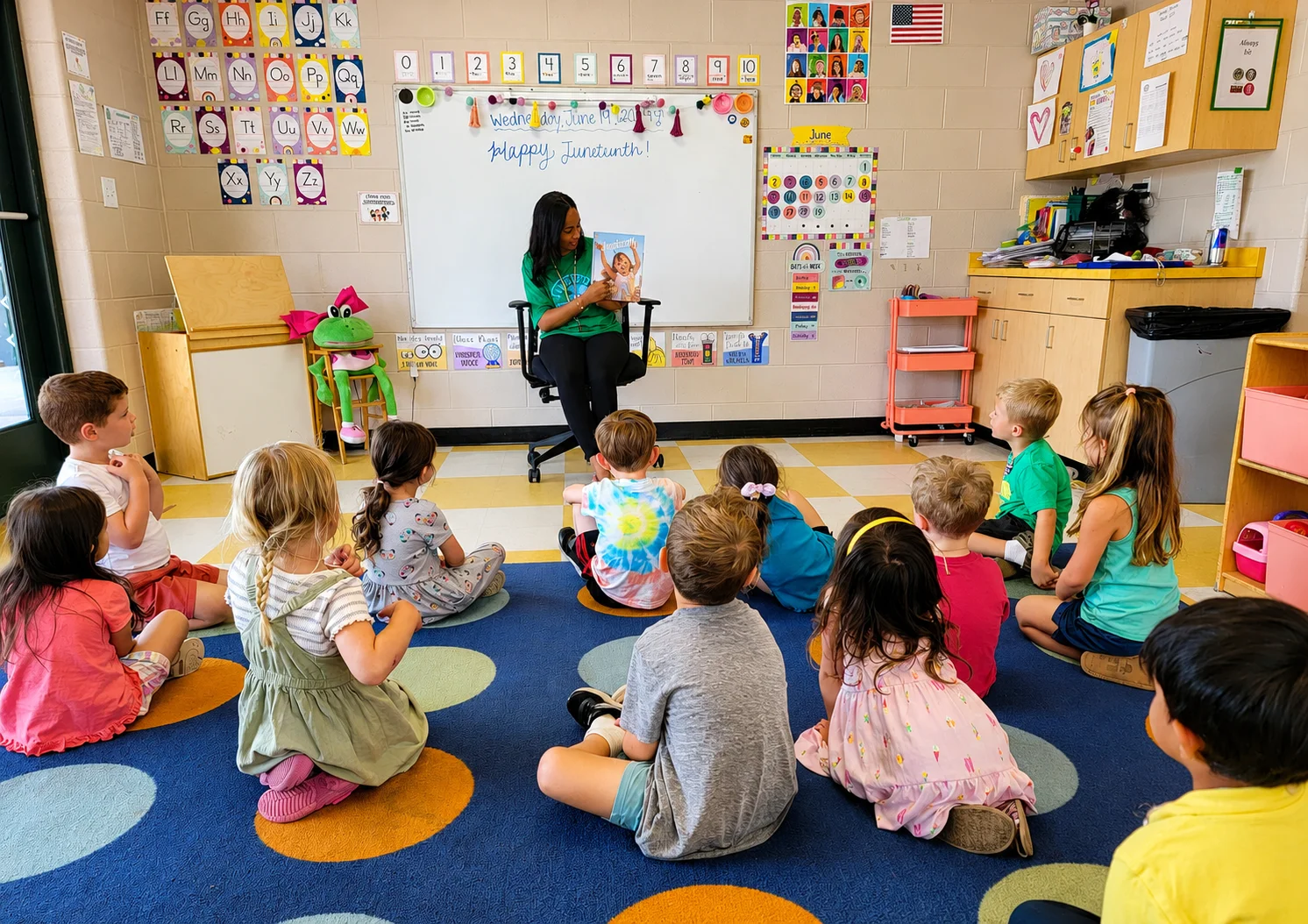
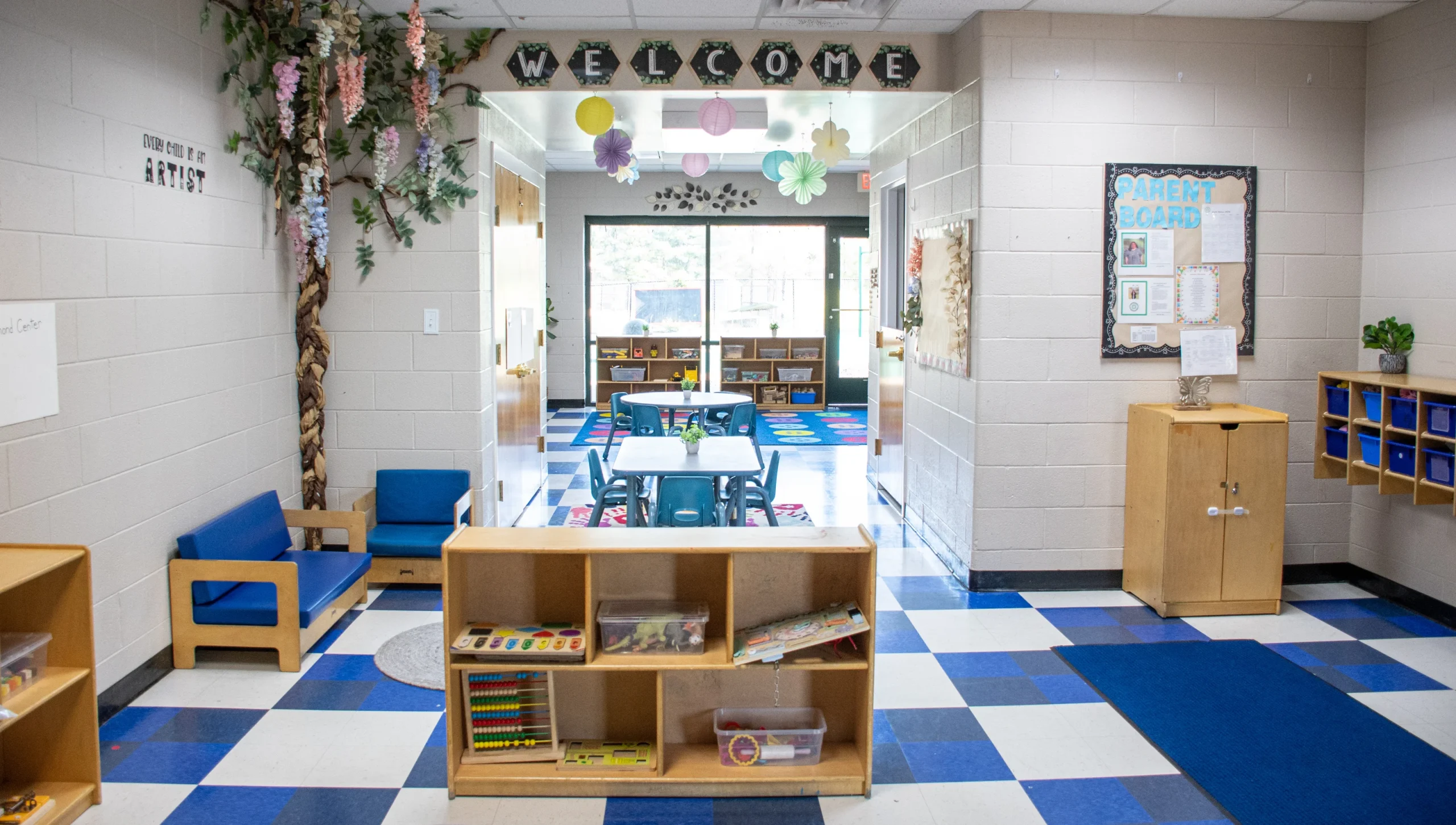
When you walk into a preschool, focus first on three things: how teachers interact with children, how the day supports learning, and whether the environment feels safe and welcoming. Those first impressions can tell you a lot. A good tour should also give you clear answers about routines, communication, and how the program supports your child’s development.
You do not need to arrive with a long checklist or know every detail about early childhood education. A few focused questions can help you understand how the school approaches learning and care. As you listen to the answers, also pay attention to what you see happening in the classroom.
At Haymarket Children’s Academy, we focus on creating age-appropriate preschool experiences that make learning active and engaging. Our program supports social, emotional, and cognitive growth. It also gives children opportunities to build physical and language skills through everyday activities.
If you are comparing preschool options for your child, you can explore our preschool program in Gainesville, VA to see how age-appropriate activities and play are built into the preschool day.
Once you have taken in the classroom environment, the right questions can help you look beyond first impressions and better understand what the preschool experience will be like for your child. Consider asking these questions during your tour:
1. What Will My Child Learn in Preschool?
A quality preschool program should support more than early academics. You want to understand how the classroom helps children build social skills, language, and problem-solving abilities. Movement, creativity, and interaction with others also play an important role in the preschool years.
During your tour, ask what children are expected to learn through daily activities. Listen for examples involving conversations, games, and stories. Teachers may also describe how art, movement, and hands-on experiences support new skills.
It can help to ask how teachers know when a child is ready for a new challenge. You should leave this part of the conversation with a clear sense of what learning looks like from day to day, not just a list of subjects.
2. What Is the Staff-to-Child Ratio?
The staff-to-child ratio tells you how many children one educator is responsible for at a given time. That number matters because it can affect how much attention teachers are able to give during activities, transitions, and everyday care.
Ask about both the ratio and the overall class size. Then watch how teachers interact with children. Are they available when a child needs help? Do they notice when someone is having trouble joining an activity? Do they have time to speak with children individually?
We emphasize low staff-to-child ratios as part of our approach to individualized care and instruction. The most useful question, though, is how that ratio works in practice throughout the day.
3. How Do Teachers Use Play as Part of Learning?
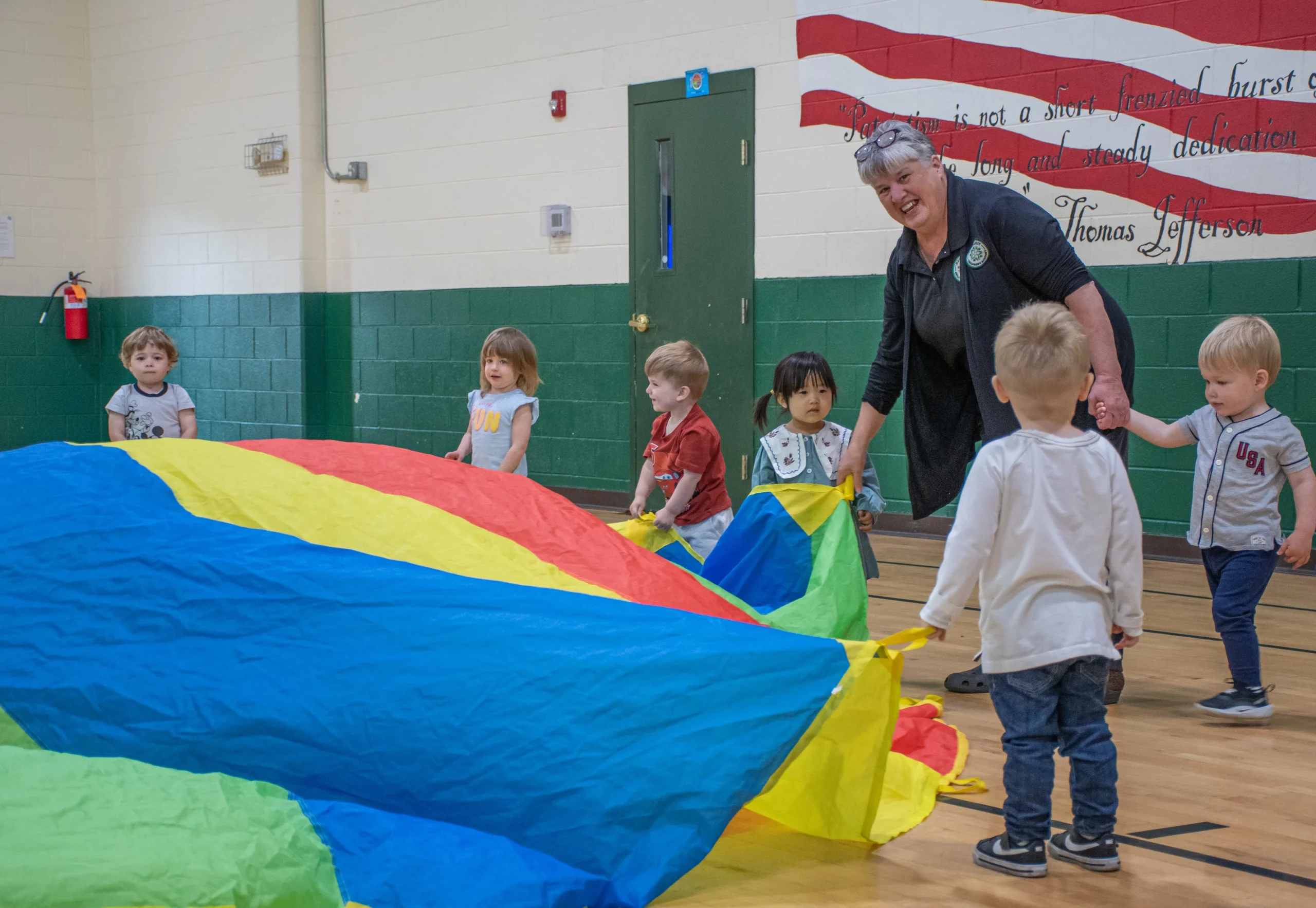
Play can support learning without feeling forced. In preschool, children often practice language, cooperation, and movement while they play. They can also build problem-solving skills while creating, exploring, or working with classmates.
Ask teachers how they connect play with learning goals. You may hear examples involving dramatic play, art, and simple science activities. Other experiences may include puzzles, music, and outdoor exploration.
At Haymarket Children’s Academy, we use play-based learning to give children opportunities to explore ideas, interact with others, and practice new skills through purposeful activities.
4. What Does a Typical Preschool Day Look Like?
A predictable day can help young children know what to expect while still leaving room for curiosity and play. Ask how the schedule balances learning activities, active play, and meals. You can also ask where rest and transitions fit into the day.
You do not need every minute mapped out. What you want to understand is whether the day has a comfortable rhythm and whether children have enough time to settle into activities without being rushed from one thing to the next.
It is also worth asking how teachers handle changes. Preschool days do not always go exactly as planned, so flexibility matters just as much as structure.
5. How Do You Keep the Preschool Environment Safe?
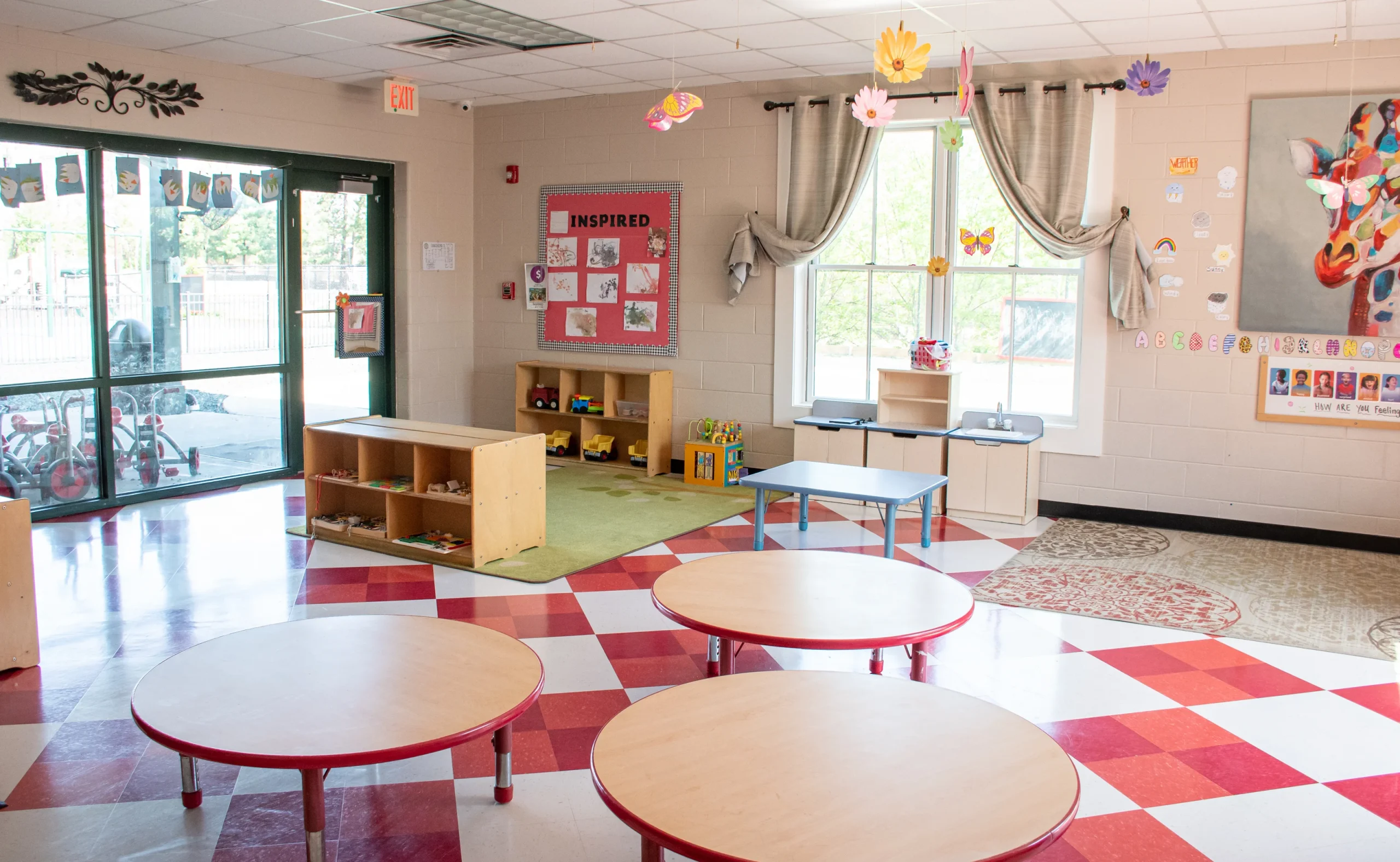
Safety should be visible in both the physical environment and the way staff supervise children. During a tour, look at entry procedures, classroom organization, and play areas. Then notice how teachers position themselves while children move around.
You can also ask how staff handle pickup, transitions, and everyday classroom safety. Emotional comfort matters too. Children should feel able to approach a teacher when they need help, reassurance, or support.
We work to create a safe childcare setting where children can learn, play, and feel supported throughout the day.
6. How Do You Adapt Activities for Different Developmental Stages?
Children in preschool do not all develop at the same pace, so activities should allow for differences in ability, confidence, and readiness. Ask how teachers adjust expectations when one child needs more support and another is ready for a bigger challenge.
You can also ask how activities change as children grow. The answer should help you understand whether the program looks at development as a process rather than expecting every child to reach the same milestone at exactly the same time.
At Haymarket Children’s Academy, we design our early childhood education programs around age-appropriate experiences that support children as they grow.
7. How Will You Communicate With Our Family?
Clear, consistent communication can help you understand what your child is experiencing throughout the preschool day. Ask how teachers share updates about learning, routines, and any concerns that come up.
You may also want to know how questions are handled when you need more context about your child’s day. Pay attention to whether staff explain their communication process clearly and whether they make it easy for you to ask questions.
The goal is not constant updates. It is having a reliable way to stay informed about your child’s care, learning, and adjustment.
What to Take Away From Your Preschool Tour
By the end of a tour, you should have a clearer picture of three things: how the school approaches learning, how teachers support children, and how the environment feels in person. Those observations are often more useful than a polished brochure or a long list of features.
Take a little time afterward to think about what stood out. Did the teachers seem engaged? Did the routines make sense for your child? Did the answers you received feel specific and thoughtful? If you are comparing preschools in Gainesville, Virginia, these details can make it easier to decide which program feels right for your family.
Haymarket Children’s Academy encourages families to ask questions, observe the environment, and understand how the preschool program supports children throughout the day. A tour should help you feel more informed about what your child’s experience could look like.
If you have questions about preschool or want to learn what the program could look like for your child, contact us and our team can help you with the next steps.
Leave a Reply