


Starting kindergarten is a major step in a child’s educational journey. Before entering a classroom setting with new routines, teachers, and classmates, children benefit from opportunities to practice a variety of foundational skills. These abilities help them feel more comfortable, build confidence, and support positive learning experiences from the very beginning.
Preparing for kindergarten goes beyond learning letters and numbers. Social development, communication, independence, and problem-solving all play a meaningful role in helping children adapt to a structured environment. Parents and caregivers can support this growth through everyday activities that encourage learning in natural and enjoyable ways.
- Building Strong Communication Skills
Communication is one of the most valuable abilities children develop before kindergarten. Being able to express thoughts, ask questions, and share needs helps children interact successfully with teachers and peers. Through conversations at home, storytelling, and reading together, children learn new vocabulary and gain confidence in speaking.
Listening skills are equally important. Following simple directions, paying attention during conversations, and understanding spoken information help children participate in classroom activities. Reading books aloud and discussing stories can strengthen both listening and comprehension skills while creating meaningful learning moments.
Children who feel comfortable communicating often find it easier to build friendships and engage in group activities. These experiences contribute to a smoother transition into a kindergarten setting. - Practicing Social and Emotional Growth
Kindergarten introduces children to a community of learners where cooperation and positive interactions are part of daily life. Practicing social skills beforehand can help children feel more prepared for these experiences.
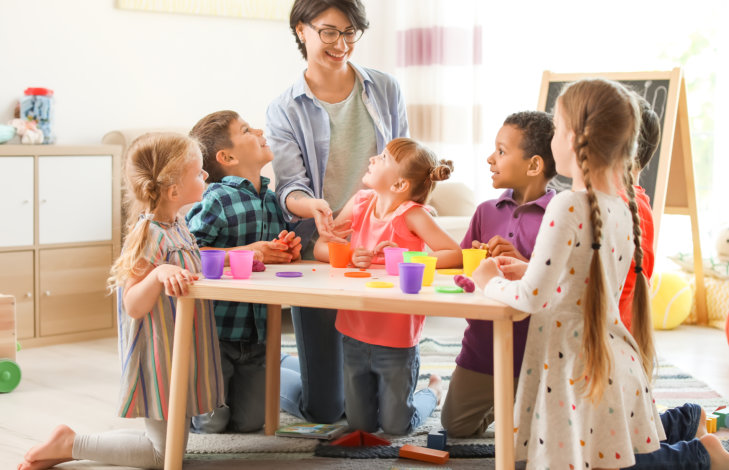
Sharing toys, taking turns, and participating in group play teach children how to work with others. These activities help them understand fairness, patience, and respect. Playdates, community programs, and family gatherings provide opportunities to practice these interactions in a supportive environment.
Emotional development is just as valuable. Learning to recognize feelings, express emotions appropriately, and handle small frustrations helps children manage challenges more effectively. Caregivers can encourage emotional awareness by talking about feelings and helping children identify healthy ways to respond to different situations. - Developing Early Academic Foundations
Children entering kindergarten benefit from exposure to basic academic concepts through everyday experiences. Simple activities can introduce foundational literacy and math skills without creating pressure.
Reading together helps children become familiar with books, letters, sounds, and storytelling patterns. Singing songs, reciting rhymes, and playing word games encourage language development and early literacy awareness. Children begin recognizing letters, identifying sounds, and understanding that print carries meaning.
Math concepts can be introduced through counting objects, sorting items by color or size, identifying shapes, and discussing patterns. Daily routines offer many opportunities for learning. Counting steps, measuring ingredients during cooking, or organizing household items can make math concepts feel natural and enjoyable.
These early experiences create familiarity with concepts children will encounter in kindergarten classrooms. - Encouraging Independence and Self-Help Skills
Independence plays a significant role in kindergarten readiness. Children are often expected to complete simple tasks on their own throughout the school day. Practicing self-help skills can help them feel more capable and confident.
Tasks such as washing hands, putting away belongings, opening containers, dressing independently, and cleaning up after activities encourage responsibility. Children who can manage these routines often experience greater confidence in new environments.
Daily routines at home provide valuable opportunities for practicing independence. Giving children age-appropriate responsibilities allows them to develop decision-making skills and a sense of accomplishment. Small successes contribute to greater confidence when entering a classroom setting. - Strengthening Fine and Gross Motor Skills
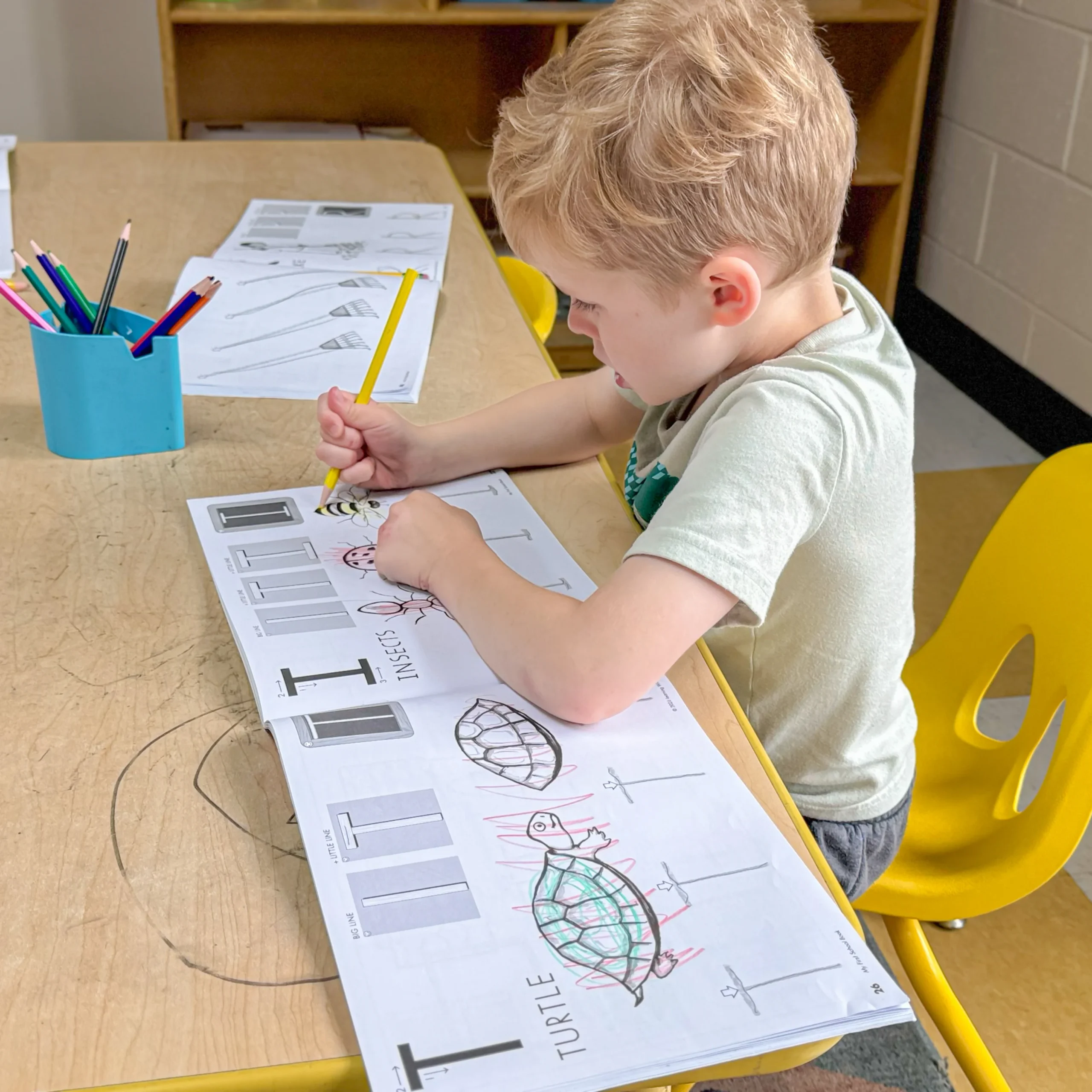
Physical development supports many kindergarten activities. Fine motor skills involve the small muscles in the hands and fingers that are used for writing, drawing, cutting, and manipulating classroom materials.
Activities such as coloring, building with blocks, using child-safe scissors, and completing simple puzzles help strengthen hand coordination and control. These experiences prepare children for tasks that require precision and concentration.
Gross motor skills involve larger muscle groups used for running, jumping, balancing, and climbing. Outdoor play, sports, dancing, and active games help children develop coordination and body awareness. Physical activity supports overall health while encouraging confidence in movement and participation. - Problem-Solving and Following Directions
Kindergarten classrooms involve daily opportunities for problem-solving. Children benefit from learning how to think through challenges, make decisions, and try different approaches when faced with obstacles.
Simple puzzles, building projects, pretend play, and age-appropriate games encourage critical thinking and persistence. These activities teach children that mistakes are part of learning and that solutions often come through practice and effort.
Following directions is another skill that supports classroom success. Practicing one-step and multi-step instructions during daily activities helps children become comfortable listening carefully and completing tasks. Whether helping with chores, participating in games, or completing simple projects, children gain experience, understanding, and responding to directions. - Helping Children Feel Ready for Kindergarten
Preparing for kindergarten is about supporting the development of a wide range of skills that contribute to confidence, curiosity, and positive learning experiences. Communication, social interaction, independence, academic awareness, physical development, and problem-solving all work together to help children feel comfortable in a classroom environment.
Families seeking guidance and high-quality early learning opportunities can benefit from professional support that encourages growth in these areas. To learn more about kindergarten readiness programs and how your child can build strong foundational skills, contact Haymarket Children’s Academy today. Their team is ready to answer your questions and help your child prepare for a successful educational journey.

Leave a Reply