

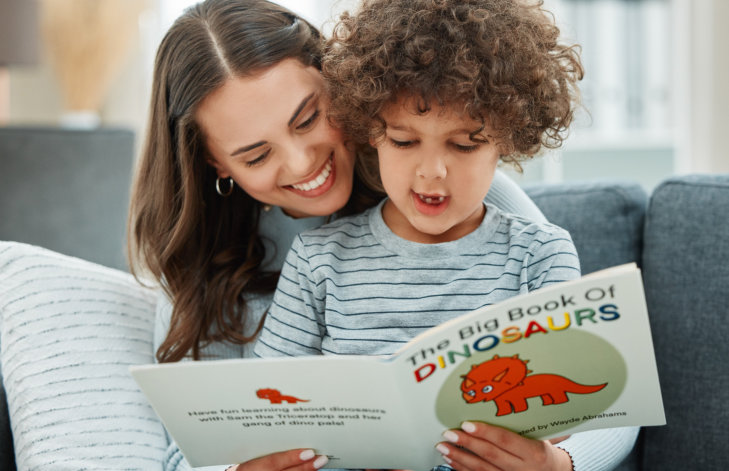
A child does not need to know how to read a whole book before they can start building reading skills. Long before children read their first sentence, they are learning through everyday moments—listening to a bedtime story, singing a favorite song, talking about pictures, or recognizing the first letter of their name. These small experiences help children become familiar with language and books naturally.
For parents, supporting early literacy does not mean sitting down for long lessons every day. A few minutes of talking, reading, singing, or playing with letters can make a meaningful difference. The goal is to help children see reading as something enjoyable and familiar.
- Start With Letters Children Know
Young children often become interested in letters that have meaning to them. Their own name is a great place to begin. A parent might point to the first letter of a child’s name on a book, a sign, or a piece of artwork and say, “Look, that’s your letter!”
You can turn this into a simple game by looking for the same letter around the house or during a walk. Children can match uppercase and lowercase letters, find letters in magazines, or use magnetic letters to spell their names. These simple activities give children regular exposure to letters without making them feel like they are doing schoolwork. - Play With Letter Sounds
Knowing what a letter looks like is one step. Hearing the sound connected to that letter is another. Parents can help children learn through playful conversations and word games.
Try saying a familiar word and stretching out its beginning sound. For example, “Sun starts with /s/. What else starts with /s/?” Children can look around the room for something that begins with the same sound. Rhyming games are helpful, too. Ask, “What rhymes with cat?” and let children come up with silly answers if they wish.
Songs, nursery rhymes, and clapping games can make these activities feel like play. Children are often happy to repeat a rhyme many times, giving them plenty of practice with sounds and words. - Talk About Everyday Things
Children build their vocabulary through conversations. Ordinary moments can give parents plenty of opportunities to introduce new words.
At the grocery store, you might talk about the colors, sizes, and shapes of different foods. During a walk, describe what you see and ask your child what they notice. At home, talk about what you are cooking, cleaning, building, or doing together.
Try asking questions that encourage more than a yes-or-no answer. Instead of asking, “Did you have fun?” try, “What was your favorite part of today?” or “Tell me about what you built.” These conversations give children practice putting their thoughts into words. - Make Story Time Interactive
Reading together can be much more than simply finishing a book from beginning to end. Give your child time to look at the pictures, point things out, and share ideas.
Before turning a page, ask, “What do you think will happen next?” If a character looks worried, ask, “How do you think they feel?” After the story, invite your child to tell you what happened. Younger children may use the pictures to help them remember.
It is perfectly fine to read the same favorite book again and again. Familiar stories give children a chance to remember words, predict what comes next, and become more comfortable with the rhythm of reading. - Let Children Tell Their Own Stories
Children do not need to read printed words to become storytellers. Give them a picture and ask them to describe what they see. You can ask, “Who is this?” “Where are they going?” or “What do you think happens next?”
Pretend play is another great opportunity. A child playing with toy animals might create a story about where the animals are going. A child playing with dolls might create a conversation between the characters. Follow their ideas and ask questions that keep the story going.
These moments help children practice using new words, describing events, and putting ideas in order—all of which are useful parts of early literacy skills. - Turn Reading Into Play
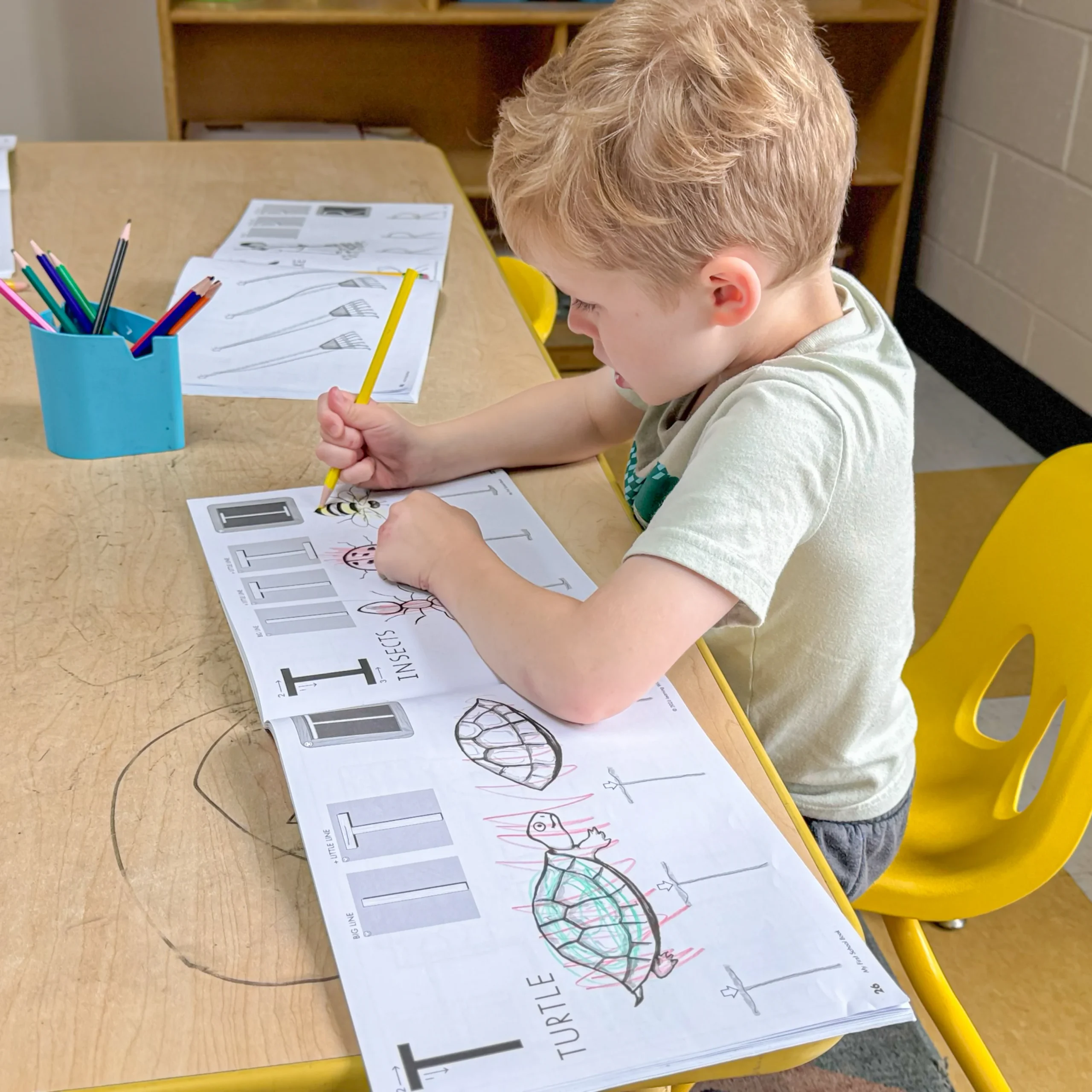
Some of the best literacy activities for preschoolers may feel like ordinary play. Children can make pretend restaurant menus, draw pictures, dictate a story to an adult, match pictures with words, sort objects by beginning sounds, or create signs for a pretend store.
Parents can keep books in places where children can easily reach them. Let children choose which book they want to read, even if they pick the same one every night. Giving children choices can help them develop a positive relationship with books.
There is no need to turn every activity into a reading lesson. A child who is laughing, asking questions, making up stories, and enjoying books is already building valuable skills. - Give Children Time to Practice
Every child develops early reading skills at their own pace. Some children may quickly recognize letters and familiar words, while others may first show their progress through storytelling, conversation, or an interest in pictures.
You may notice your child pointing out letters, pretending to read, remembering parts of a favorite story, asking what a word means, or recognizing a familiar word on a sign. These small moments can show that your child is making connections between sounds, words, pictures, and print.
Gentle encouragement can go a long way. Celebrate your child’s effort and curiosity rather than expecting them to get everything right. - How Childcare Can Support Early Literacy
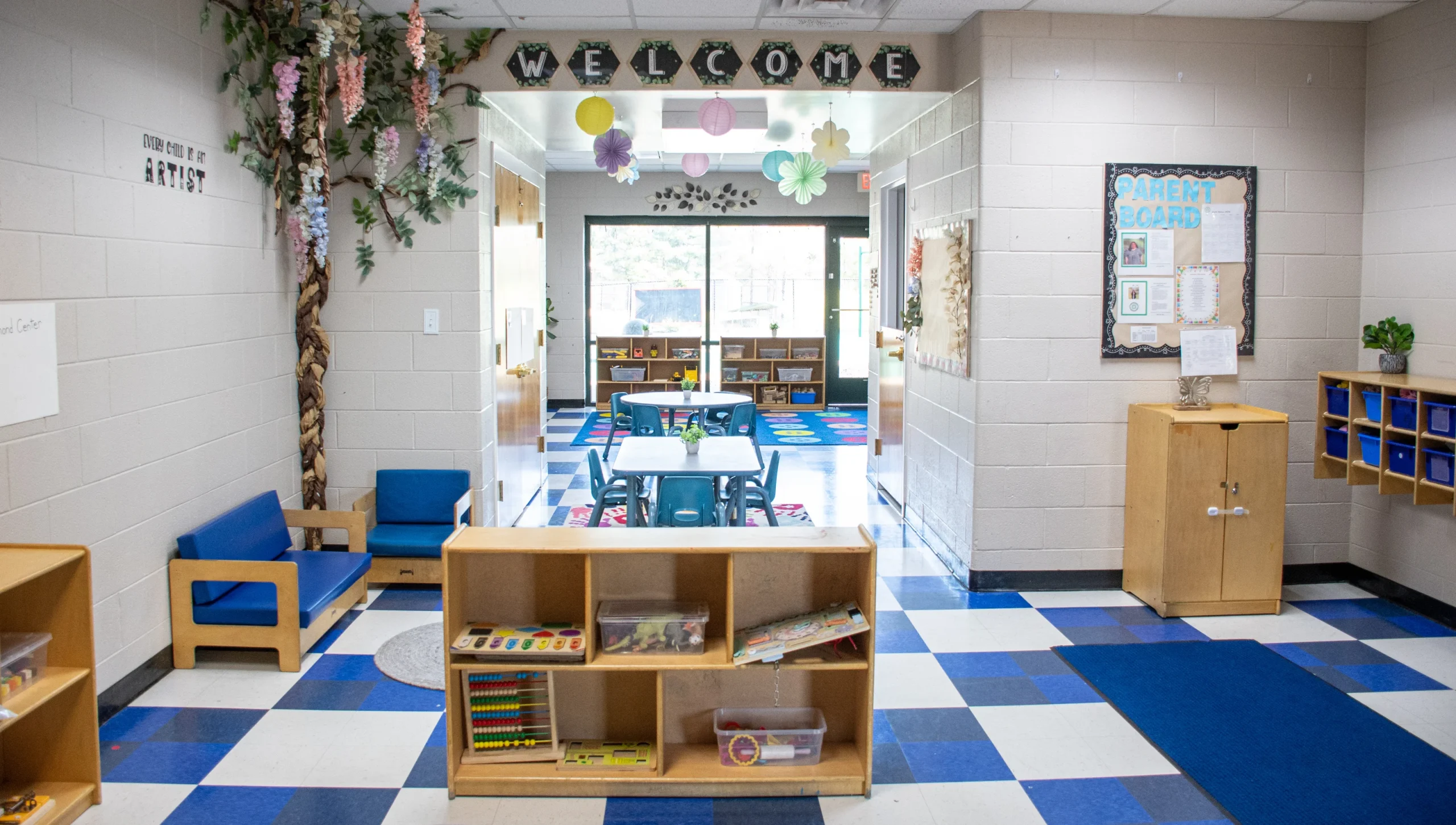
Children benefit from having opportunities to practice language and literacy throughout their day. In a preschool setting, teachers can include story time, songs, conversations, picture activities, letter games, and storytelling in daily routines. These experiences allow children to learn through both guided activities and play.
At Haymarket Children’s Academy, Families can continue these efforts at home with simple routines such as reading together, talking about the day, singing songs, and encouraging children to tell stories.
Early reading does not have to feel like homework. It can happen at bedtime, during playtime, at mealtime, or on a walk around the neighborhood. What matters most is giving children regular chances to talk, listen, explore letters, hear sounds, and enjoy stories.
If you would like to learn more about how our childcare and preschool program can support your child’s early literacy and language development, contact Haymarket Children’s Academy. We are here to help children build positive early learning experiences that can support them as they grow.


Leave a Reply