

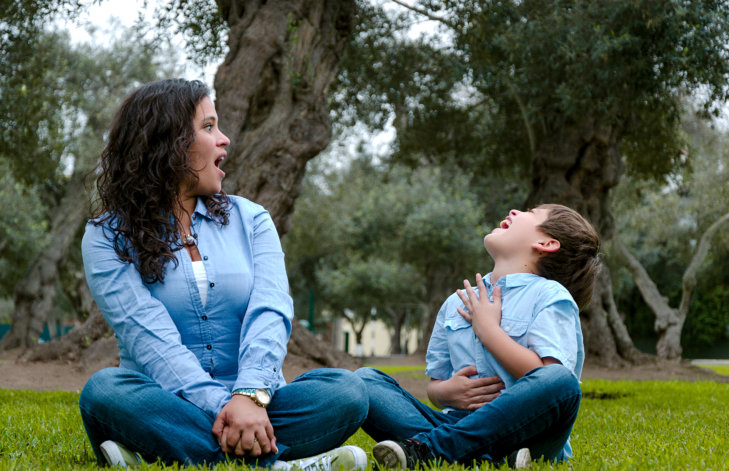
Children experience many emotions throughout the day. Happiness, frustration, disappointment, excitement, worry, and anger can appear quickly, especially during early childhood. Young children are still learning how to identify feelings and communicate what they need, so strong emotions may sometimes appear through crying, shouting, withdrawal, or impulsive actions. Adults can help by treating emotions as a normal part of growing and teaching children safe, respectful ways to express them. A caring early learning center gives children repeated opportunities to name feelings, communicate needs, and practice responses that work in everyday situations.
- Help Children Name Their Feelings
A child needs words to clearly explain an emotional experience. Adults can introduce simple feeling words such as happy, sad, worried, frustrated, excited, tired, or disappointed. During daily activities, teachers can gently ask questions such as, “How are you feeling?” or “What happened?” This approach gives children space to connect an emotion with an experience.
Picture cards, storybooks, drawings, and preschool classroom conversations can make emotional vocabulary easier to understand. Children can talk about times they have experienced similar feelings. These conversations help children recognize that every feeling has a place, yet every action must be safe and respectful. - Teach Children to Use Their Words
Children benefit from practical phrases they can use during challenging moments. Instead of grabbing a toy, a child can learn to say, “Can I have a turn?” Instead of pushing during a disagreement, they can practice saying, “I do not like that,” or “Please stop.” These short statements give children a clear way to communicate boundaries, needs, and requests.
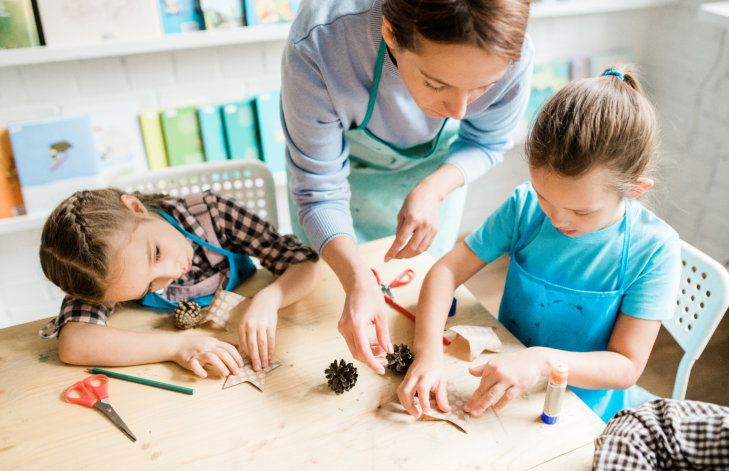
Teachers can model these phrases during play-based learning, a useful part of educational childcare. Role-playing common situations gives children a chance to practice without pressure. Educators can take turns with children, act out a disagreement over a toy, and demonstrate how calm words can help resolve the situation. Repeated practice makes these communication skills easier to recall during real interactions. - Provide Healthy Ways to Calm Down
Strong feelings can make it difficult for children to think clearly. Simple calming activities can give them time to regain control before responding. Taking slow breaths, sitting in a quiet area, reading a book, drawing, gently stretching, or talking with a trusted adult can provide a safe pause.
A childcare program can include a comfortable space where children can sit for a short period and settle their emotions. It can be introduced as a place for quiet reflection and calming activities. Adults can guide children toward choices that meet their needs, helping them learn that pausing is a positive response to strong emotions. - Use Stories to Build Emotional Understanding
Stories give children meaningful situations to discuss feelings, choices, and relationships. A character may feel left out, become upset after losing a game, or feel nervous about trying something new. Teachers can pause during a story and ask what the character might be feeling, what caused that feeling, and what the character could say or do next.
Storytelling can connect emotional learning with language development and child development. Children can create their own story endings or draw pictures showing how a character feels. These activities encourage children to communicate ideas through words, art, and imaginative play. - Model Respectful Emotional Expression
Children learn a great deal by observing adults. Teachers can model calm communication by naming their own feelings in age-appropriate ways. A teacher might say, “I feel frustrated because the activity is taking longer than expected. I am going to take a breath and try again.” This shows children that strong emotions can be acknowledged without hurting others or giving up.
Adults can guide children through conflicts with patience and clear language. Rather than focusing only on stopping unwanted behavior, teachers can help children understand what happened, identify the underlying feeling, and choose a safer response. This process gives children practical experience with problem-solving, empathy, and communication. - Create Consistent Opportunities for Practice
Emotional expression develops through regular practice. Children need chances to use their skills during classroom routines, group activities, free play, transitions, and social interactions. Consistent expectations help children understand that feelings are accepted and respectful communication is expected.
Nursery and preschool children may benefit from simple feeling words, songs, pictures, stories, and guided conversations. Older children can practice more detailed communication through role-play, cooperative activities, classroom discussions, and problem-solving exercises. A consistent approach helps children carry these skills from one situation to another. - Support Emotional Growth Through Partnership
Families and educators can work together through early childhood education. Parents can share phrases or calming strategies that work well at home, and educators can communicate observations from the classroom. When children hear consistent guidance from trusted adults, they receive more opportunities to practice the same skills.
Our approach to early childhood education includes opportunities for social and emotional growth through interaction, play, communication, and age-appropriate learning experiences. Our childcare programs give children regular chances to practice these skills. We believe children deserve patient guidance as they learn how to understand feelings and express them respectfully. Each small conversation, story, and classroom interaction can become an opportunity to build confidence in communication.
Healthy emotional expression is a skill children develop over time. With caring adults, clear language, practical calming choices, and regular practice, children can learn to communicate feelings without hurting themselves or others. If you are looking for a nurturing setting where children can grow socially, emotionally, and academically, contact Haymarket Children’s Academy to learn more about our childcare and early learning programs. We would be happy to share how our programs support children during their early years.

Leave a Reply