

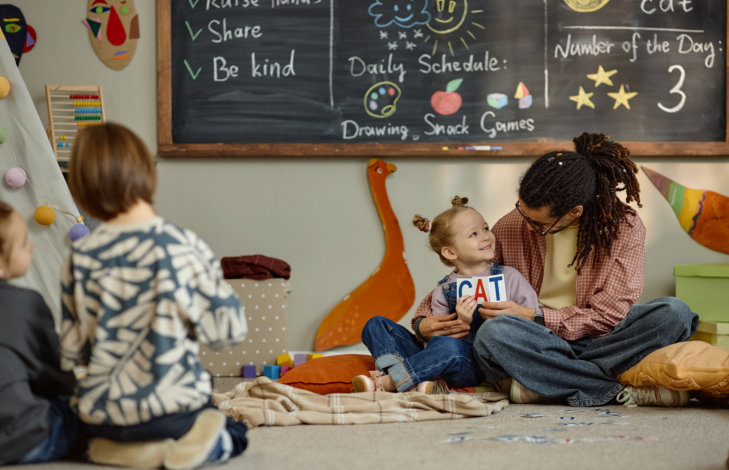
A nursery day plays a meaningful role in shaping how little ones experience care, comfort, and connection outside their home. The early hours of arrival and the steady flow of daily routines set the emotional tone for everything that follows. When children are met with calm, predictable patterns, they begin to feel that their surroundings are safe and familiar.
Care settings that follow consistent routines help reduce uncertainty. Children do not need to guess what happens next because daily steps follow a recognizable rhythm. This steady flow supports emotional comfort and helps them adjust more smoothly to group care. Over time, these repeated patterns help build trust in caregivers and in the environment itself.
Families also benefit from knowing that their child is welcomed into a structured setting where care follows a thoughtful routine. This shared understanding between caregivers and families supports confidence and helps create a smooth transition between home and nursery care each day.
- Calm and Predictable Arrival Moments
The first moments of the day often shape how the rest of it unfolds. A calm and consistent arrival routine helps children move from home into the nursery environment without feeling unsettled. A warm greeting, familiar voices, and steady actions create a sense of recognition that supports emotional ease.
Simple steps such as placing belongings in the same spot, greeting the same caregiver, and following a familiar handover process help create predictability. These repeated actions allow children to understand that they are entering a space where their needs will be met with care and attention.
Caregivers also play an important role in maintaining a steady tone during arrival. A calm approach helps reduce stress and encourages children to separate from parents with greater ease. Over time, children begin to associate arrival with safety and reassurance rather than uncertainty. - Feeding Routines That Encourage Comfort
Feeding time is more than a daily task; it is a moment that supports both emotional and physical comfort. A steady feeding schedule helps children understand when meals and snacks will take place, which reduces uncertainty and helps them feel more settled throughout the day.
A familiar feeding environment supports relaxation. When children sit in the same type of space each day and follow a consistent mealtime structure, they begin to feel secure. Soft interaction from caregivers, gentle encouragement, and a calm pace during meals help create a peaceful atmosphere.
Repetition plays a strong role in building confidence around food. When utensils, seating, and routines remain consistent, children become more comfortable with eating independently. - Rest Periods That Support Emotional Balance
Rest time offers children an opportunity to pause, recharge, and regain emotional balance. A consistent rest routine helps signal that the day is shifting into a quieter phase. Soft lighting, reduced noise, and familiar cues create an environment that supports relaxation.
Caregivers often follow the same sequence before rest, such as reading a short story, playing calming sounds, or offering a comfort item. These repeated actions help children recognize that rest time is approaching. Predictability reduces resistance and allows children to settle more easily.
A steady rest pattern supports overall well-being. Children who experience regular and calm rest periods tend to return to play with improved focus and a more settled mood. This balance supports smoother participation in group activities and daily learning experiences. - Sensory Consistency That Builds Trust
Children experience the world through their senses, and consistent sensory experiences play an important role in helping them feel secure. Familiar sounds, textures, and visual cues create recognition patterns that support emotional comfort.
Simple songs, repeated stories, and familiar toys help create continuity across the day. These experiences allow children to feel grounded in their surroundings because they can recognize what is happening even before full understanding develops.
Caregiver responses also contribute to sensory stability. When reactions to gestures, sounds, or expressions remain steady and predictable, children begin to trust that communication will be met with understanding. This builds confidence and encourages early forms of interaction. - Smooth Transitions Between Activities
Transitions can be challenging for young children if they feel sudden or unclear. A structured approach helps make these changes smoother and less stressful. Clear signals such as verbal cues, short songs, or tidy-up routines help children understand when one activity is ending and another is beginning.
When these cues are repeated daily, children begin to recognize the pattern and respond with less resistance. This predictability helps reduce confusion and supports emotional steadiness during changes in activity.
Caregivers who guide transitions with calm consistency help create a steady rhythm across the day. This allows children to feel more secure as they move between play, rest, and learning experiences. - Consistent Interaction and Communication
Daily interactions with caregivers form an important part of a child’s emotional development. A steady tone of voice, familiar phrases, and repeated responses help children feel understood and supported.
When caregivers respond in similar ways to similar needs, children learn what to expect. This consistency builds trust and encourages communication, even in simple forms such as gestures, sounds, or facial expressions.
Group interactions also benefit from predictable routines. Shared activities such as circle time, reading, or guided play help children feel included and part of a steady group experience.
A nursery environment built on steady and predictable routines supports emotional security and confidence in young children. From arrival to rest, and from feeding to transitions, each repeated pattern helps create a sense of stability that children can rely on.
Families looking for a supportive early learning environment are welcome to reach out to Haymarket Children’s Academy to learn more about daily care practices and enrollment options. A quick conversation with the team can help you understand how routines are structured to support comfort, consistency, and early development.


Leave a Reply