

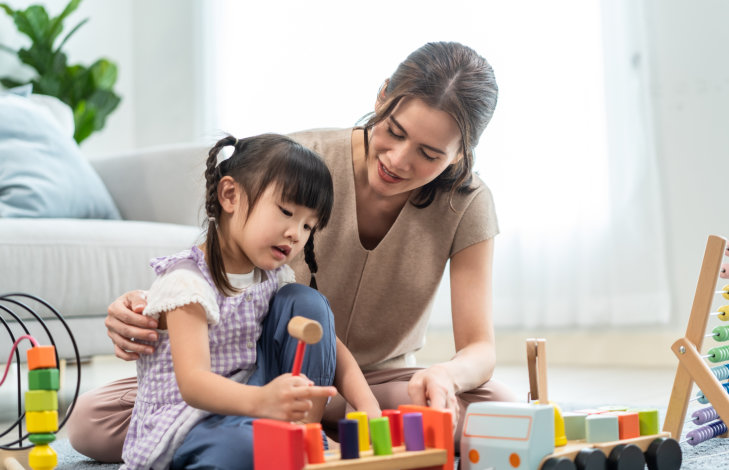
Infants begin learning from the very first moments of daily care. Through these repeated moments, infants start to recognize patterns, respond to familiar voices, and feel secure in their surroundings. Gentle, consistent routines help them build trust and begin making sense of the world around them in a calm and steady way.
- Calm Start to Daily Routine
Infants begin learning long before they can speak or walk, and much of that early growth happens through simple, repeated care moments. Gentle nursery routines give structure to the day in a way that feels safe and steady. Feeding, diaper changes, rest times, and quiet interaction all create a rhythm that infants start to recognize. Over time, these patterns help them understand what comes next, which brings comfort and ease.
Caregivers who approach each moment with calm voices and steady actions help infants feel more settled. A soft greeting during arrival, a familiar song before feeding, or a consistent way of preparing for rest all become cues that guide understanding. These small actions support early learning by helping infants connect experiences with meaning. They begin to anticipate care, which builds confidence in their surroundings.
Daily routines also support early brain development through repetition. When infants experience the same loving responses day after day, their sense of trust grows. That trust becomes the base for learning new skills and exploring simple interactions with people and objects around them. - Secure Attachment Through Predictable Care
A strong emotional bond forms when infants experience consistent and responsive care. Predictable routines play a big role in building that connection. When a caregiver responds quickly to needs like hunger or discomfort, infants begin to understand that their signals matter. This understanding supports emotional safety.
Feeding time is one of the clearest examples of connection building. A calm hold, gentle eye contact, and soft talking during feeding help infants feel close to their caregiver. These moments teach them that care is reliable. Over time, they begin to relax more easily because they know their needs will be met in a steady way.
Rest periods also contribute to this sense of security. A familiar pattern before sleep, such as dimming lights and soft rocking, signals comfort. Infants learn to associate these cues with rest, which supports better settling over time. This predictable flow helps reduce stress and allows more energy for early learning.
When attachment grows strong, infants become more open to exploring their environment. They feel safe enough to look around, respond to sounds, and interact with people nearby. That sense of safety is built through repeated, gentle care throughout the day. - Language Growth in Everyday Moments
Language development begins with listening. Even before speaking, infants absorb tone, rhythm, and repeated words during daily routines. Simple talk during diaper changes, feeding, and play gives them exposure to speech patterns in a natural way. They begin to recognize familiar sounds and voices.
Caregivers who describe actions in short, clear phrases help infants connect words with meaning. Saying what is happening during care, such as naming objects or describing actions, supports early word association. Even though infants may not respond verbally, they are taking in every sound and expression.
Songs and soft rhymes also play a role in early communication growth. Repeated melodies and gentle pacing help infants notice rhythm in language. These musical moments often bring comfort and encourage attention, which supports listening skills.
Over time, infants begin to respond with sounds, facial expressions, and small gestures. These early responses are signs of growing understanding. Daily communication during routine care becomes the foundation for future speaking and listening abilities. - Sensory Exploration Through Simple Activities
Every day nursery routines give infants many chances to explore their senses. Touch, sound, sight, and movement all work together during simple care moments. Warm water during washing, soft fabrics during dressing, and different textures in safe toys help infants notice differences in their environment.
During playtime, caregivers often introduce objects with varied shapes and surfaces. These items encourage infants to reach, grasp, and explore through touch. Each new sensation supports brain development and helps build curiosity about the world around them.
Sound also plays a part in sensory learning. Gentle rattles, soft music, or the caregiver’s voice all help infants become aware of different tones. These experiences support listening skills and attention span. Even small changes in sound can attract interest and encourage focus.
Movement is another key part of sensory growth. Being gently lifted, rocked, or guided during routines helps infants understand body position and balance. These physical experiences build awareness of how they move and interact with space. - Early Social Awareness During Care
Social understanding begins in the earliest interactions. Daily routines offer repeated opportunities for infants to observe facial expressions, gestures, and tone of voice. These small details help them begin to understand how people communicate feelings and intentions.
Caregivers who maintain eye contact during care moments help infants feel included in interaction. Smiles, soft speech, and responsive attention teach infants that communication is a shared experience. Over time, they begin to mirror expressions and respond with their own early social signals.
Group care settings also support awareness of others. Seeing other infants during play or routine moments helps them notice peers. They begin to recognize shared space, turn-taking, and simple social behavior through observation.
These early social experiences build comfort in being around others. They also help infants develop confidence in communication and interaction, setting a steady foundation for future relationships.
Gentle daily nursery routines shape how infants learn, feel, and respond to the world around them. Each small interaction adds to their sense of safety, communication, and curiosity. If you’re looking for a caring environment that supports these early experiences, we invite you to connect with us at Haymarket Children’s Academy.
Leave a Reply